
What Happens When A Sound Becomes A Cage?
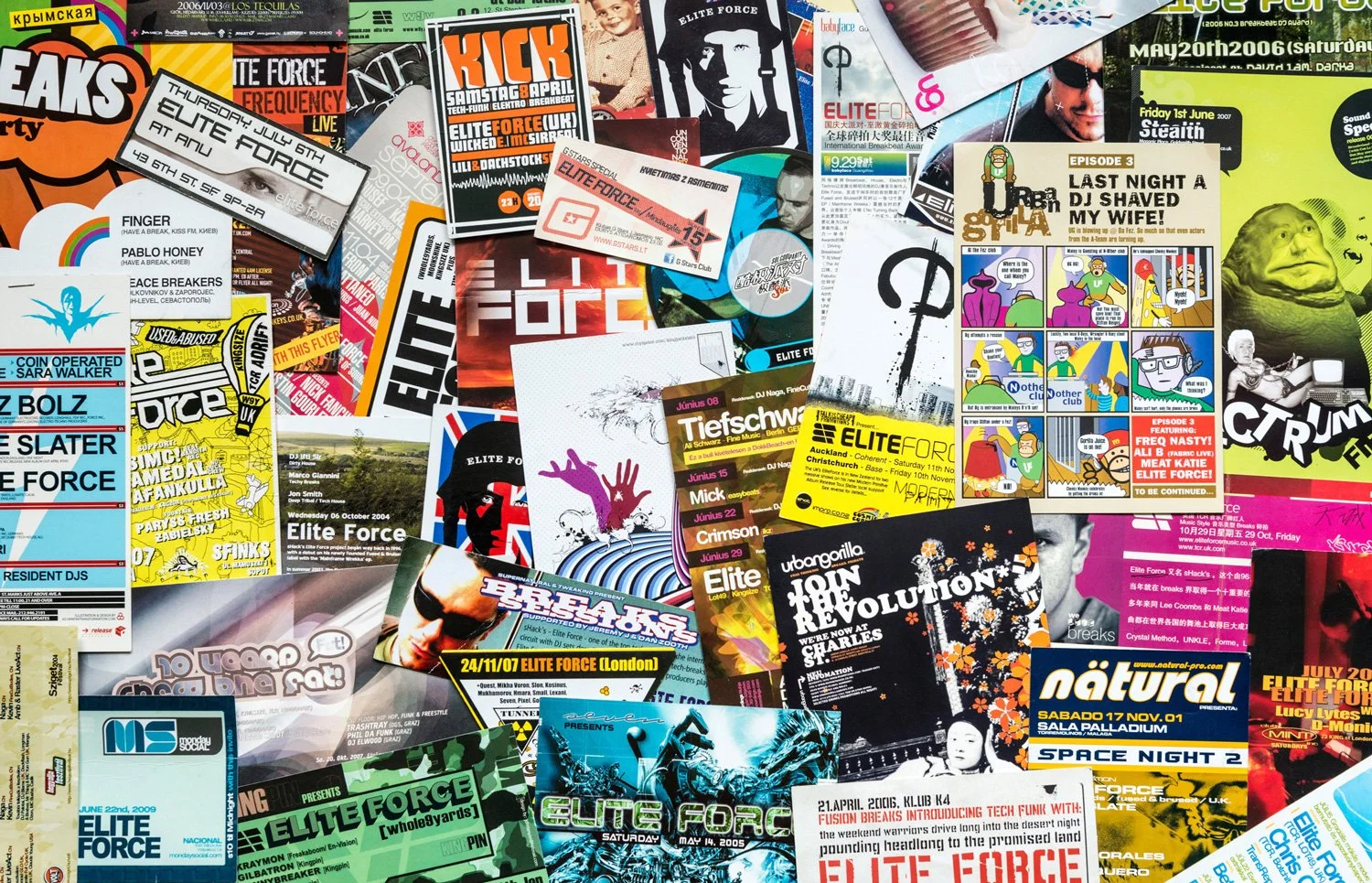
There’s a strange contradiction at the heart of being a long-term artist that rarely gets discussed openly.
The very thing that keeps you creatively alive - curiosity, change, evolution, the desire to push into unfamiliar territory - is often the exact thing that destabilises whatever momentum you’ve managed to build.
In this new long-form Substack piece, I reflect on three decades of aliases, stylistic pivots, audience expectation, and the increasingly difficult relationship between artistic reinvention and modern algorithmic music culture.
From Lunatic Calm to Elite Force, Zodiac Cartel, Simon Shackleton and beyond, I explore how each project became less about “branding” and more about creating separate containers for different creative instincts - and why staying in one recognisable lane eventually started to feel creatively suffocating.
The piece also dives into:
the psychological cost of reinvention
why audiences often reward familiarity over evolution
how streaming algorithms struggle with hybrid or genre-fluid music
the tension between artistic curiosity and career momentum
why so much modern electronic music now feels flattened into content or trapped inside rigid categorisation
This is one of the most personal and reflective essays I’ve written so far and ties directly into many of the ideas currently shaping my work around reverie, CHPTR, Basement Sessions, and the broader “space in between” that I increasingly find myself drawn toward creatively.
Read The Full Piece Here: What Happens When a Sound Becomes a Cage?